From the Ashes: Preserving a New Period of Significance
Presentation authors: Amy Green and Linnaea Dawson
Blogpost Summary by Hannah Stahulak, Silverlake Conservation
During CALA’s Fire Response Convening, held at the Getty Villa, Amy Green and Linnaea Dawson of Silverlake Conservation discussed their experiences salvaging, cleaning, and repairing historic California tiles that survived the Eaton and Palisades fires. For many, especially residences in Altadena, the fireplaces were all that remained of homes and the rescued tiles represent the only tangible link between Altadena's historic homes and the town's future.
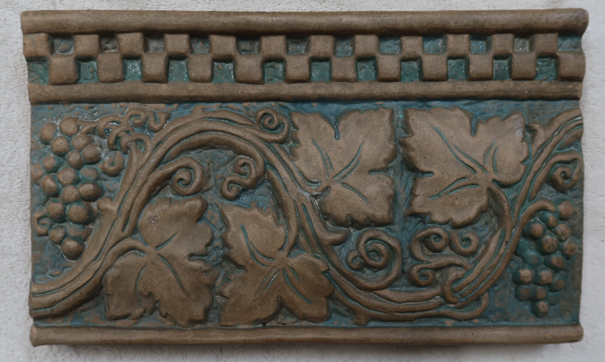
Green and Dawson started their presentation by giving history into the historical significance of these salvaged tiles as well as Silverlake Conservation’s many years of experience treating these tiles. In the early twentieth century the Art and Crafts Movement took hold in the United States, emphasizing a renewal in design, decoration, and a return to handcrafted arts as a response to the automation of the Industrial Revolution. Los Angeles had a flourishing of artisans and craftsmen during this time and handcrafted tiles were found in homes large and small, namely Batchelder Tiles and Claycraft Tiles.

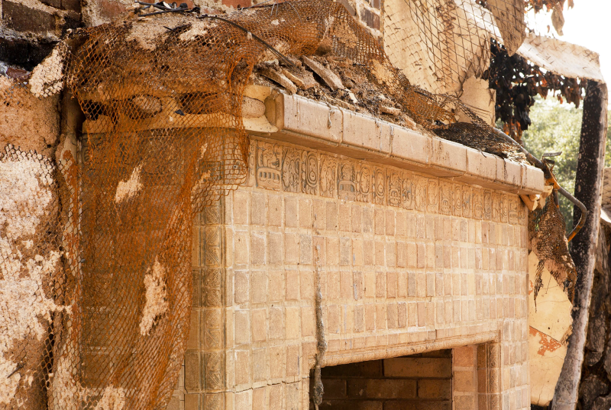
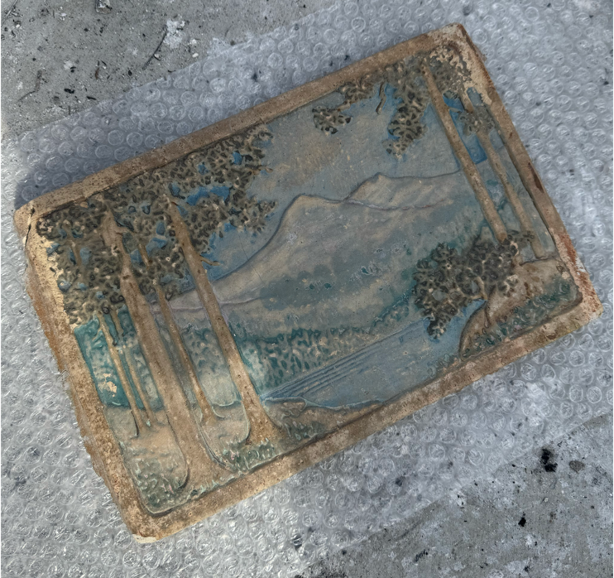

Silverlake Conservation has had twenty-five years of experience treating and cleaning historic Batchelder tiles. The presentation went over various examples, from fireplaces in single family homes to larger installations such as the Jonathan Club and The Pasadena Playhouse Fountain. From this experience they have a deep understanding of the material issues of these tiles. These range from the tiles low firing temperature, the method of attachment to the walls, and the uneven distribution of heat in older kiln models.

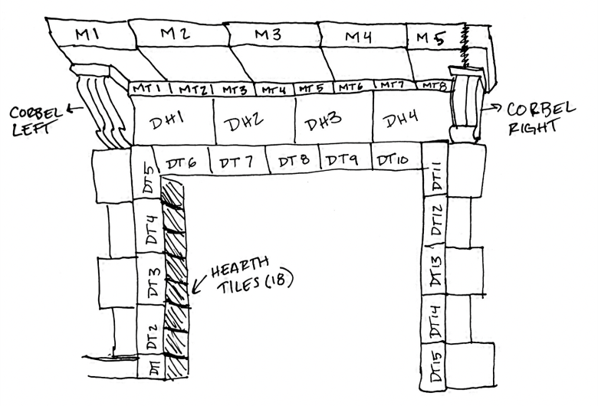
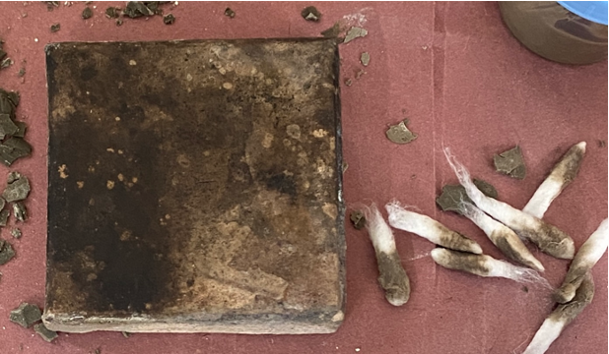

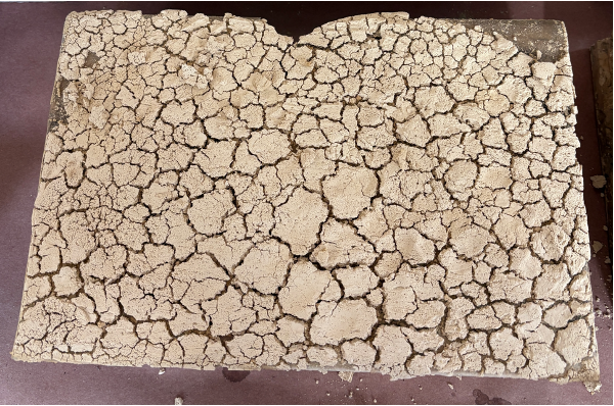
Aside from the recognized agents of deterioration that these tiles deal with normally, Green and Dawson discussed how they specifically treated tiles salvaged from the Eaton and Palisades fires. The first step is researching the historical significance and/or diagrams may exist, and mapping out the way the tiles are installed prior to removal. Secondly, the tiles salvaged from the fires were removed from their original structures and had the mortar cleaned off by stone masons. Once the tiles were transported to a studio space, Silverlake Conservation followed standard soot remediation protocols, and also dry and aqueous cleaning. A series of poultice tests were performed that helped to figure out which poultice actively worked to pull soil and oil from these tile surfaces. They found that the Mora Poultice created with bentonite clay proved most effective and pulled soot from the tile surfaces and left very little residuals on the tile surfaces.
Green and Dawson lastly discussed the ethical quandary of treating these fire damaged objects, namely, how do we treat objects that have recently gained a new "period of significance" while adhering to best practices? One of the principles of conservation is allowing an object to look its age, and this was something Green and Dawson emphasized. The tiles were cleaned and stabilized, but not forced to look brand new. This mindset allows the fire to be a new chapter to what will hopefully be a long life for these tiles.